
The Best Mushrooms for Anxiety: Bridging Fungi With a Calm Mind and Body

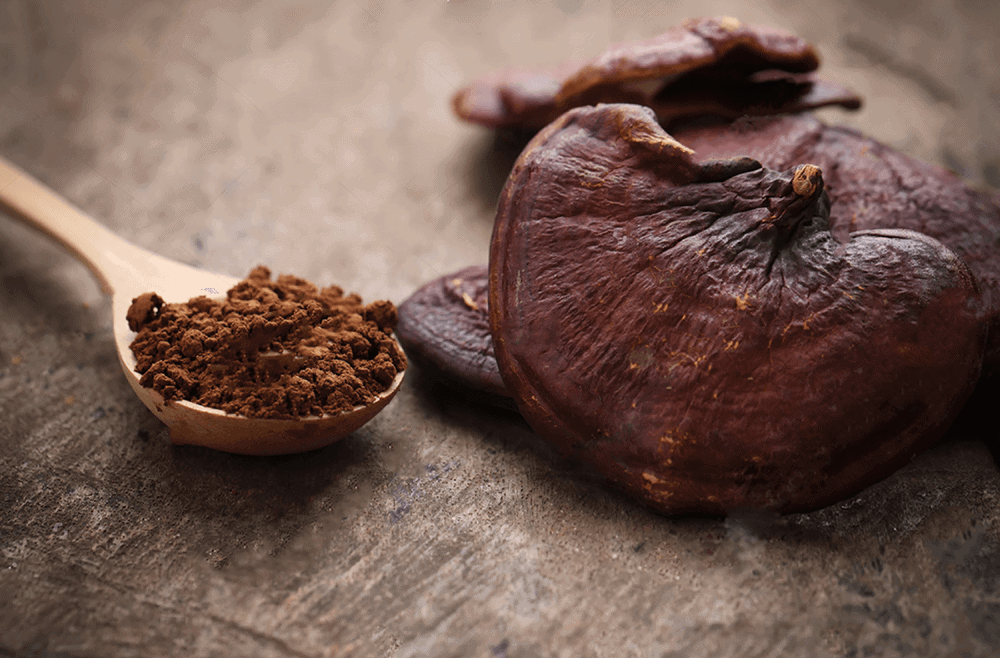
Functional fungi can help balance the immune system, help with sleep, and give you a boost of energy. But what are the best mushrooms for anxiety and can mushroom supplements be calming to a worried mind?
“Stressed out” seems to be an all too common sentiment these days. If you find that you feel dread and apprehension even when there is no apparent stressor, you may have anxiety.
Left untreated, anxiety just breeds more of the same. As a result, anxiety may also increase your risk of chronic health conditions, due to its impact on the autonomic nervous system.
The good news is you can do something about your anxiety. There are a variety of tools and methods that can help, and research suggests adaptogens, like functional mushrooms, can play a big role. Read on as we dive into how functional mushrooms can help anxiety and the top 3 we recommend.
How Do Mushrooms Help Anxiety?
Let’s take a look at the 3 main ways functional mushrooms help anxiety.
Mushrooms and Neurogenesis
It was once a common assumption that the human brain stops developing once you reach your mid-20s. Essentially, the assumption was that the neurons you had at birth were what you were stuck with for life.
Scientists began challenging this dogma in the 1960s. And recent research confirms that a healthy adult brain continues making new neurons.
The process of generating new neurons — called neurogenesis — in the adult human brain appears to be limited to your hippocampus. This part of your brain is responsible for learning, memory, and emotions.
In fact, about 700 new neurons are added to your hippocampus every day.
The birth of new neurons appears to be connected to neuroplasticity. This is also known as your brain’s ability to be reshaped, adapt, and make new neural connections.
One neurobiology concept states that “neurons that fire together, wire together.” Every time you experience anxiety in response to something new, the connection between that trigger and your anxiety gets stronger.
If neuroplasticity allows your neurons to create unwanted patterns, it may also be possible to harness its power to improve them.
Unfortunately, several intrinsic and extrinsic factors can affect neurogenesis, including:
- Diet
- Aging
- Brain injury
- Brain inflammation
- Oxidative stress
- Stress
- Lack of exercise
- Opioid addiction
Impaired neurogenesis in adults has been associated with neurological conditions.
Laboratory and animal studies are beginning to show that adaptogens can support neurogenesis. A healthy lifestyle supported by adaptogens like healthy mushrooms may help lift your mood and reduce anxiety.
Mushrooms and Neurotransmitters
You might have heard that mental health disorders are caused by chemical imbalances in the brain. But what does that mean?
It means that the balance of the chemical messengers in your brain, known as neurotransmitters, has been disrupted.
Your brain is home to hundreds of different types of neurotransmitters. In the past, anxiety research has focused on the neurotransmitter γ-aminobutyric acid (GABA). But we now know several other neurotransmitters play a role, including:
- Serotonin
- Dopamine
- Opioid peptides
- Endocannabinoids
- Neuropeptide Y
- Oxytocin
- Acetylcholine
- Corticotropin-releasing hormone
Anxiety, then, is not a hard-wired defect in your brain. Rather, it may be a deficit or overabundance of the chemical messengers that control your emotional responses.
Mushrooms may increase your resistance to stress by acting in a similar manner to some neurotransmitters. The exact mechanism by which this occurs has not yet been identified. But it is presumed that some adaptogens act via the pathway that mediates your body’s stress response.
Adaptogens are also mild stressors. Some researchers believe repeated exposure to mild or low doses of stress can increase your resistance to future stress exposure. This concept is also evident in the action of plant-based adaptogens such as green tea and rhodiola.
Mushrooms and Inflammation
A key protective mechanism exerted by mushrooms is their ability to regulate your immune system. This is how they help your body maintain an optimal, balanced state.
These properties are also critical for your body’s healthy inflammatory response.
Inflammation is a natural part of your immune system to damaging factors, such as injuries or harmful chemicals. This essential, temporary response leads to many symptoms you’re already familiar with — fever, pain, swelling, etc.
When your body’s inflammatory response goes awry, chronic inflammation can set in. The infiltration of inflammatory cells into the tissue site can lead to further tissue damage. Chronic inflammation may also be a mechanism for anxiety disorders.
Mushrooms are rich sources of compounds that support a healthy inflammation response, such as:
- Polysaccharides (e.g., beta-glucans)
- Fatty acids
- Carotenoids
- Vitamins
- Minerals
- Mycosteroids
- Phenolic and indolic compounds
- Ergothioneine
Some experts believe adaptogens like mushrooms could help counteract the “weight” of the stressor. As a result, they make it less likely that the body will fall into a stressed state.
Best Mushrooms for Anxiety
Mushroom consumption in general appears to be linked to lower odds of mood disorders. Because depression and anxiety often appear together, mushrooms may support an overall positive mood.
So which mushrooms help with anxiety? Here are our top 3 best mushrooms for anxiety:
Reishi for Anxiety
Reishi’s (genus Ganoderma) great reputation dates back thousands of years in many Asian cultures. Today, the most common reishi you’ll find is Ganoderma lucidum a.k.a. lingzhi. Traditional Chinese medicine (TCM) practitioners use reishi (also called lingzhi) to:
- Replenish Qi (the body’s vital energy)
- Calm the mind
- Influence the heart, lungs, liver, and kidney channels
- Decrease cough and chest discomfort
Reishi’s health benefits are so revered that TCM physicians still call it “the mushroom of immortality”.
But how well does this king of mushrooms hold its own against modern scrutiny?
It may not be able to grant you immortality, but scientists have confirmed a myriad of benefits that could contribute to a long, healthy life. So far, over 400 different compounds have been identified that may assist the body in various ways. They include:
- Polysaccharides
- Triterpenoids
- Steroids
- Fatty acids
- Amino acids
- Proteins
- Nucleosides
- Alkaloids
Research suggests that some of these compounds have brain-protecting properties. In one study, scientists investigated the potential of reishi to alleviate anxiety in mice. The mice that were given reishi extracts were able to stay much longer in the elevated plus maze (EPM). EPM is a commonly used measure of rodent anxiety.
In another mouse study, reishi extract showed a sedative effect on the central nervous system. Researchers observed that mice given reishi extract exhibited behaviors indicating less anxiety compared to those who weren’t given any.
Reishi and Chronic Illness Fatigue
Living with chronic illness can trigger anxiety and depression. In some cases, anxiety is a secondary symptom to another, such as fatigue.
This appears to be the case in many women with breast cancer. Patients with breast cancer often report cancer-related fatigue (CRF). In some cases, CRF can lead to emotional distress and anxiety. One study of 48 patients found that Reishi promoted a better overall quality of life, including lower anxiety.
Reishi and Better Sleep
Sleep and anxiety have a two-way relationship. When you’re constantly feeling anxious, falling asleep can be a challenge. But lack of sleep can also impact your emotions, including anxiety. Reishi mushroom may be able to reduce the time it takes for you to fall asleep, thereby increasing your sleep time.
A mouse study suggests that reishi mushroom may impact a pathway associated with serotonin and gut bacteria. It also appears that reishi has GABAergic activity, the system responsible for regulating sleep. By promoting higher quality sleep, reishi may be able to soothe occasional anxiety and stress.
Reishi and Balanced Blood Sugar Levels
It may not be surprising to think that there’s a connection between nutrition and mental health. Several studies suggest improving your diet may help support a positive mood.
There is a possible link between blood sugar levels and mental health outcomes. Consumption of foods with a higher glycemic index is correlated with increased odds of anxiety and other mental disorders. Maintaining balanced blood sugar levels could help relieve occasional anxiety and stress. Decreasing the odds of high and low blood sugar is an important strategy when addressing potential triggers of anxiety.
Research suggests beta-glucans, like those from healthy mushrooms, may help keep your blood sugar levels steady.
A study with mice showed Reishi mushroom polysaccharides can regulate expressions of certain proteins associated with uncontrolled blood sugar levels. The polysaccharides also showed protective properties toward pancreatic beta-cells.
It’s important to note that most of the blood sugar research performed on functional mushrooms are animal or laboratory (cell) studies. So while many of the findings are promising, clinical trials will need to be conducted to confirm their benefits in humans.
Find out more about reishi in our Reishi Mushroom Post.
Lion’s Mane for Anxiety
When talking about functional mushrooms and neurological health, we can’t leave out Lion’s Mane.
The scientific name of Lion’s Mane mushroom, Hericium erinaceus, alludes to the two most well-studied compounds found in this species: hericenones and erinacines. Research studies suggest that these compounds in Lion’s Mane may improve brain function and protect against normal cognitive decline related to aging.
Let’s examine why some clinicians call Lion’s Mane the brain and nervous system mushroom.
Lion’s Mane for Serotonin and Dopamine
Serotonin and dopamine, known as “happy hormones,” play key roles in your mood and appetite, among other things. In general, researchers believe that low levels of serotonin and dopamine are connected to anxiety and other mood disorders.
A 2018 study examined the effects of Lion’s Mane on stressed-out mice. The mice that weren’t given Lion’s Mane showed significant decreases in dopamine and serotonin after repeated exposures to stress. The reverse was seen in those that were given Lion’s Mane mushrooms.
The research team of the study also noted that the mice given Lion’s Mane had a healthier inflammatory response. The mice not given Lion’s Mane showed elevated levels of inflammation after stress exposure.
Scientists are still learning how Lion’s Mane impacts serotonin and dopamine levels. It’s possible that they are a result of the mushroom’s effects on your gut microbiome. The trillions of bacteria in your digestive tract produce a wide range of neurotransmitters, including dopamine and serotonin. Some research suggests they may have a role in anxiety and depression.
In 2017, Sheng and colleagues reported that the polysaccharides found in Lion’s Mane act in the intestines. Another study showed that a protein from Lion’s Mane could help regulate the gut microbiome composition. Traditionally, Lion’s Mane is used for digestive disorders and complaints, being a tonic for the organs responsible for digestion.
Lion’s Mane and Neurogenesis
Nerve growth factors (NGFs) and brain-derived neurotrophic factor (BDNF) play important roles in neurogenesis. In animals, changes in their levels are associated with neurodegeneration and psychiatric disorders. They also take part in brain plasticity (the ability to form new neural connections), particularly during development.
We don’t precisely know yet how NGF relates to health and disease. But studies on NGF deficiency have shown them to be correlated with anxiety-like behaviors in humans and animals. NGF-deficient mice exhibit increased anxiety, impaired spatial learning and memory, and decreased neurogenesis. In humans, reduced NGF levels have been observed in subjects with major depression, which is often linked to anxiety.
However, NGFs are unable to penetrate the blood-brain barrier without help.
This is where Lion’s Mane comes in. Both hericenones and erinacines easily cross the blood-brain barrier. Laboratory and animal studies also show they have qualities that protect your neurons and nerves. They are also able to enhance NGF activity.
Isoindolinones are unique, lesser-known neurotrophic compounds found in Lion’s Mane mushrooms. The isoindolinone derivative isohericerinol A found in Lion’s mane has been shown to increase neurite outgrowth via NGF synthesis and BDNF upregulation. Isohericerinol A joins the existing compounds known to induce NGF and modulate BDNF at an in-vitro level. These other existing compounds include: corallocin A, hericerin, hericenones and erinacines.
Studies on Lion’s Mane for Mood
A 2018 mouse study suggested encouraging hippocampal neurogenesis could have mood-enhancing effects. The mice given Lion’s Mane mushroom extracts showed less anxiety and improved mood during their assessments.
Evidence from human clinical trials lends support to this hypothesis as well. In a 2010 study, 26 patients were asked to eat 4 cookies per day containing either Lion’s Mane mushroom or placebo. Those taking Lion’s Mane scored lower on several measures, including an anxiety score.
Another trial assessed whether a mixture of Lion’s Mane mushroom and mycelium could improve mood in patients with obesity or who are overweight. At the end of the 8-week trial, the overweight participants in this study who received Lion’s Mane reported significant improvements in their mood. They also had higher circulating pro-BDNF, a BDNF precursor. These findings suggest that BDNF could be a biomarker for mood disorders.
Interested in learning more about Lion’s Mane? Check out Lion’s Mane Mushroom Post..
Cordyceps for Anxiety
Cordyceps are a group of mushrooms that include over 400 different species. The two most well-known species are Cordyceps sinensis and Cordyceps militaris.
In TCM, Cordyceps mushrooms were used to strengthen the lungs and kidneys. It was also used to enhance sexual function and libido.
Cordyceps may also have potential for boosting your mood. Preliminary human and animal studies suggest Cordyceps help support a healthy inflammation response. In theory, a healthy inflammation response may help alleviate occasional anxiety and stress.
Animal research suggests cordyceps mushrooms can help keep blood sugar levels steady. This effect appears to support a positive mood in mice. Further evidence will be needed to confirm the benefits in humans.
Other animal research suggests Cordyceps may act on stress-related pathways in the brain. A 2021 publication reported that rats given Cordyceps didn’t show abnormal behavior from stress exposure. Another report presented evidence that Cordyceps might act on important protein targets and their signaling pathways. The research team suggested the regulation of these targets and their pathways could support mood stability.
Cordyceps may help counter oxidative stress caused by anxiety and stress. Cell studies showed increased survival under stress when a Cordyceps treatment was applied. Cordyceps may also help balance circadian rhythms due to a unique compound called cordycepin. A mouse study showed a 60% improvement in jet lag recovery when using cordycepin. Therefore, using cordyceps extracts may help address the impact of social jet lag (lack of sleep) on anxiety and overall well-being.
How to Use Mushrooms for Anxiety
It’s a good idea to take functional mushrooms long-term to experience the benefits they have to offer for anxiety. Three months is the minimum recommended amount of time to give a new supplement regime a chance to work.
But it’s also important to ensure that you’re only consuming those supplements that are of the highest quality. What does this mean?
When buying a mushroom supplement, make sure that it is actually made from the mushroom (fruiting body). The mushroom is where you can find an abundance of beneficial compounds like beta-glucans.
Avoid products made of mycelium since this fungal “root system” is commonly grown on a grain substrate and this grain is not fully consumed by the mycelium and ends up in the final product. Therefore, the end product has diluted medicinal value and undesirable grain fillers.
Ensuring high quality is especially important when it comes to Reishi. A 2017 article published in the journal Nature raised alarm about Reishi mushrooms. In this study, only 5 out of the 19 reishi mushroom samples, 26%, actually contained what was on their labels. That means a whopping 74% of the “reishi” supplements didn’t contain authentic Reishi.
At Organic Mushrooms, we take great pride in our sourcing and extraction methods for our mushroom products. Our products are guaranteed to contain no fillers, starch, or grains of any sort! This is all so that you can experience the most benefits from functional mushrooms.
Ease Occasional Anxiety With Mushrooms
Anxiety can make you feel like you’re losing control of yourself. A healthy lifestyle that incorporates functional mushrooms may be able to help reduce occasional anxiety. If you experience severe anxiety, it’s important to seek professional help.
If you’re looking for the best mushrooms for anxiety, we recommend Reishi, Lion’s Mane, and Cordyceps.
Organic Mushrooms is confident in the safety and efficacy of our products.